



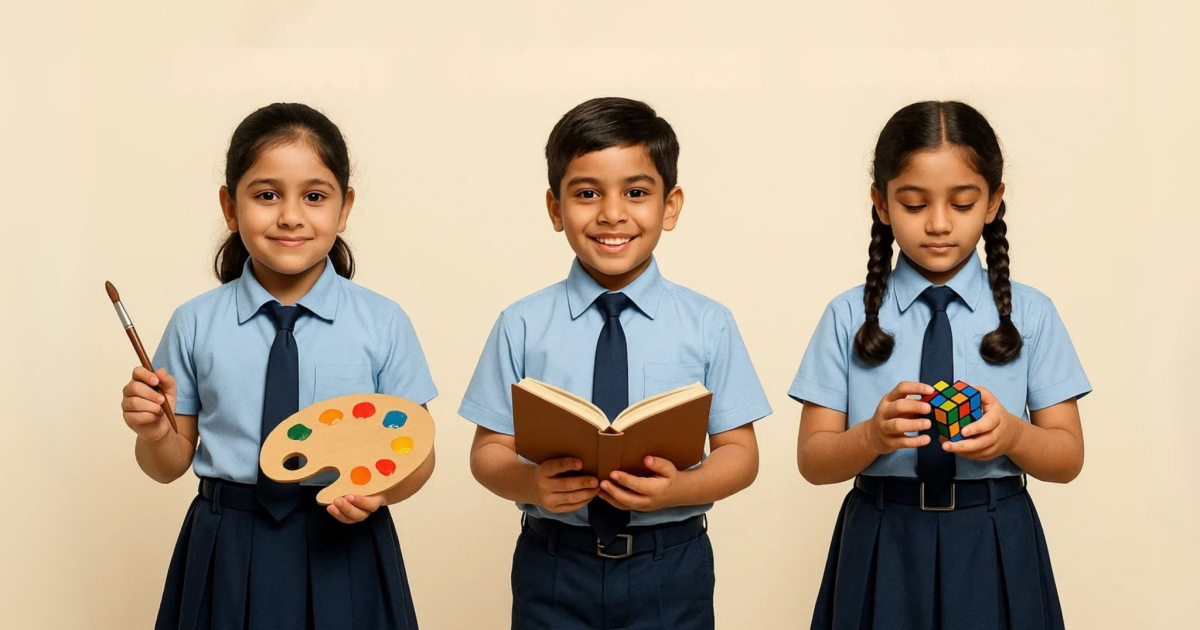
Top 7 Skills Your Child Should Learn Before Entering Secondary School for Strong Student Development
At Ayana International School, we believe that primary education is the foundation for lifelong success. Entering secondary school is a major step in a child’s academic journey. The expectations increase, subjects become more detailed, and independence becomes essential.
That is why focusing on student development during the primary years is extremely important. Beyond textbooks and exams, children must build the right academic skills, soft skills, and emotional intelligence to confidently step into secondary school. Let’s understand the seven most important skills every child should develop before this transition.
Strong Academic Skills for Future Success
Before entering secondary school, children must have a solid grasp of core academic skills. This includes reading with understanding, writing clearly, solving mathematical problems, and thinking logically.
Secondary school subjects require deeper analysis and independent learning. If a child has strong basics from primary education, they adapt much faster and perform better. At Ayana International School, we focus on concept clarity rather than memorization, ensuring students truly understand what they learn.
Study Skills and Independent Learning
As children move to secondary school, they are expected to manage their studies more independently. Developing study skills early makes this transition smooth.
This includes:
- Organising notes properly
- Managing homework without constant reminders
- Planning study schedules
- Preparing confidently for exams
Children who develop these habits early feel less pressure and more confidence in higher grades.
Emotional Intelligence and Self-Confidence
Emotional intelligence plays a powerful role in overall student development. A child who understands their emotions can handle stress, adapt to new environments, and build healthy friendships. Secondary school often brings new challenges, academic pressure, peer competition, and changing social circles. Emotional intelligence helps students stay balanced and focused.
According to research shared by the CASEL (Collaborative for Academic, Social, and Emotional Learning), Students with strong emotional intelligence perform better academically and socially. At Ayana International School, emotional growth is nurtured alongside academics to build confident individuals.
Communication and Soft Skills
Soft skills are just as important as academic knowledge. In secondary school, students are expected to participate in discussions, present ideas, and work in teams. Clear communication, active listening, and teamwork are essential skills that help children grow both inside and outside the classroom. Soft skills training ensures children are not only good learners but also confident speakers and collaborators.
Leadership Skills and Responsibility
Leadership qualities begin developing at a young age. When children are given responsibilities and encouraged to take initiative, they learn decision-making and accountability.
Leadership skills help students:
- Take ownership of their tasks
- Solve problems independently
- Guide peers positively
These qualities prepare them not just for secondary school, but for future success in higher education and careers.
Cognitive Development and Critical Thinking
Secondary school demands analytical thinking. Students are expected to question, analyse, and apply knowledge instead of simply memorizing it.
Cognitive development improves:
- Logical reasoning
- Creative thinking
- Problem-solving ability
At Ayana International School, we encourage inquiry-based learning so students learn how to think, not just what to think.
Building a Quality Education Mindset
Finally, children must develop the mindset that learning is a continuous journey. Quality education is not only about marks, but it is also about curiosity, discipline, and confidence. When children enjoy learning and feel supported, they naturally perform better in secondary school and beyond.
Why Early Preparation for Secondary School Matters
The shift from primary education to secondary school can feel overwhelming if a child is not prepared. New teachers, different subjects, and higher expectations require maturity and readiness. When children develop strong academic skills, soft skills, leadership qualities, and emotional intelligence early on, they transition smoothly and confidently.
Why Ayana International School is Different
Ayana International School stands out because we focus on complete student development, not just academic scores.
What makes us unique?
We combine strong academic foundations with comprehensive training in soft skills, leadership development, and emotional intelligence programs. Our approach ensures children receive quality education while building confidence, responsibility, and independence. We don’t just prepare students for secondary school; we prepare them for life.
Frequently Asked Questions
What skills are most important before entering secondary school?
The most important skills include academic skills, study habits, emotional intelligence, communication skills, and leadership qualities.
How can parents support their child’s transition to secondary school?
Parents can encourage independent study, promote reading habits, build confidence through open communication, and support emotional growth.
Why are soft skills important in secondary school?
Soft skills help students participate confidently in discussions, work in teams, and adapt to new environments successfully.
How does Ayana International School support student development?
Ayana International School integrates academic excellence with emotional learning, leadership opportunities, and soft skills training to ensure holistic development.