



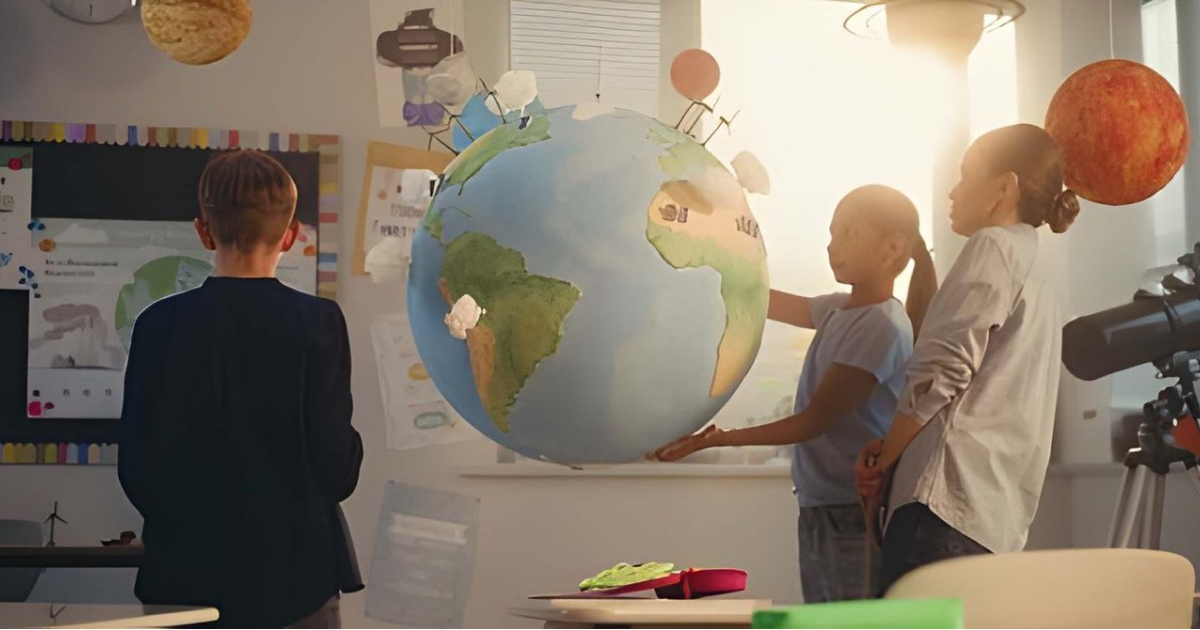
Sustainability in Education at Ayana International School – Integrating Eco-Learning into Everyday Classroom Lessons
At Ayana International School, sustainability in education is not just a concept it is a daily practice. We believe that education and environment must go hand in hand. By integrating environmental education into classroom lessons, we help students understand their responsibility toward nature while achieving academic excellence.
In today’s world, children must learn more than subjects. They must learn awareness, responsibility, and leadership. That is why sustainability education is deeply woven into our curriculum, green campus initiatives, and extracurricular activities.
What Does Sustainability in Education Mean for Modern Schools?
Sustainability in education means teaching students how to care for the environment while preparing them for future challenges. It combines classroom learning with real-world environmental awareness.
Instead of treating environmental studies as a separate subject, modern schools integrate eco-learning into science, social studies, and even mathematics. This approach helps students understand climate change, renewable energy, conservation, and responsible living in a practical way.
According to the UNESCO – Education for Sustainable Development, schools play a key role in building sustainable societies by equipping children with the right knowledge and values.
How Does Ayana International School Integrate Sustainability into Daily Classroom Lessons?
At Ayana International School, eco-learning is part of everyday classroom discussions and activities.
Teachers connect academic topics with environmental sustainability. For example:
- Science classes explore ecosystems, biodiversity, and green energy.
- Social science lessons discuss global citizenship and climate responsibility.
- Classroom projects focus on reducing waste and saving energy.
This practical approach ensures that sustainability education becomes meaningful rather than theoretical.
Why Is Environmental Education Important for Students Today?
Environmental education helps students understand how their daily choices affect the planet. It develops critical thinking and problem-solving skills while building awareness about pollution, conservation, and renewable resources.
Students who receive sustainability education grow into responsible individuals who value nature and practice eco-friendly habits. In a world facing climate challenges, this knowledge is essential for long-term development.
How Does a Green Campus Support Eco-Learning?
A green campus strengthens what students learn in the classroom. At Ayana International School, sustainable infrastructure and eco-friendly practices create a living example of environmental responsibility.
Our green campus promotes:
- Waste segregation and recycling
- Energy-efficient classroom practices
- Water conservation awareness
- Tree plantation initiatives
- Eco-friendly infrastructure planning
When students see sustainability in action, learning becomes real and impactful.
How Do Extracurricular Activities Promote Sustainability Education?
Eco-learning goes beyond textbooks. Through extracurricular activities, students actively participate in environmental protection.
At Ayana International School, students engage in:
- Eco clubs
- Outdoor learning sessions
- Environmental awareness campaigns
- Student-led sustainability projects
These activities build leadership, teamwork, and responsibility while making education more engaging.
How Does Sustainability Education Prepare Students for the Future?
Sustainability education prepares students for global challenges. It helps them develop innovation, responsibility, and a deeper understanding of how education and environment are connected.
Students learn to think beyond short-term success and focus on long-term solutions. This mindset prepares them not only for academic growth but also for ethical leadership in the future.
What Makes Ayana International School Different from Other International Schools?
Many schools include environmental studies in their syllabus. At Ayana International School, sustainability is integrated into the entire learning system.
What sets us apart:
- Sustainability in education is embedded in our curriculum.
- Eco-learning is part of daily classroom practices.
- Our green campus reflects real environmental commitment.
- Students actively participate in sustainability initiatives.
- We focus on holistic development, academic, personal, and environmental growth.
We do not just teach about sustainability, we practice it. That is what makes Ayana International School a truly future-ready international school.
Frequently Asked Questions
1. What is sustainability education in schools?
Sustainability education teaches students about environmental protection, responsible resource management, and long-term ecological balance.
2. Why is eco-learning important for children?
Eco-learning builds awareness, responsibility, and problem-solving skills while helping children understand climate and environmental issues.
3. How do schools integrate sustainability into classroom lessons?
Schools integrate sustainability by connecting environmental topics with science, social studies, projects, and extracurricular activities.
4. What are the benefits of studying in a green school?
Students develop environmental awareness, leadership skills, critical thinking, and responsible habits.
5. How does Ayana International School promote environmental education?
Ayana International School promotes sustainability through eco-learning curriculum, green campus initiatives, environmental studies, and student-led activities.