



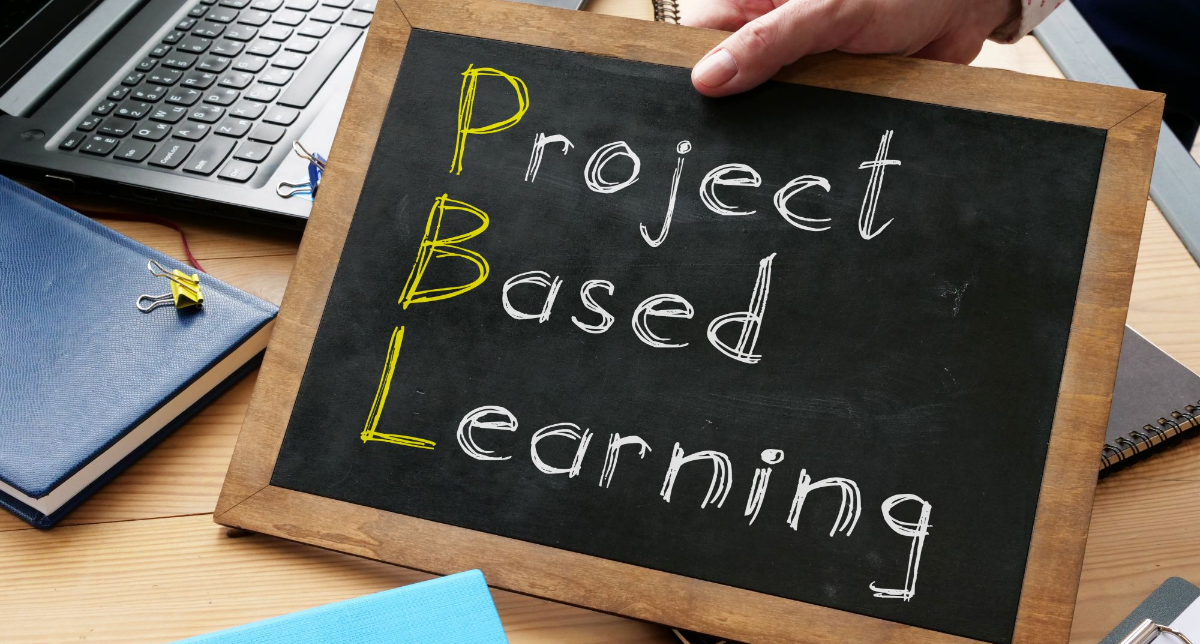
Top 10 Benefits of Project-Based Learning for Real-World Student Skills
At Ayana International School, education goes beyond textbooks. The focus is on project based learning, helping students develop real-world abilities through practical experiences. This approach combines experiential learning, hands on learning, and student centered learning to prepare learners for future challenges.
In today’s fast-changing world, students need more than theoretical knowledge. They need 21st century skills, strong critical thinking, and real-life problem-solving abilities. That’s where project-based learning makes a powerful difference.
What is Project-Based Learning?
Project-based learning is a teaching method where students actively explore real-world problems and challenges. Instead of memorizing concepts, they learn by doing.
This form of competency based education encourages students to research, collaborate, and create meaningful solutions. It is one of the most effective ways to build practical knowledge and confidence.
How Does Project-Based Learning Build Real-World Skills?
Project-based learning bridges the gap between theory and practice. Students engage in activities that mirror real-life situations, helping them gain skills that are directly applicable outside the classroom.
Through hands on learning, students improve:
- Problem-solving abilities
- Communication skills
- Team collaboration
- Decision-making
Why is Experiential Learning Important for Students?
Experiential learning allows students to learn through experience rather than passive listening. This method improves retention and understanding.
When students actively participate in projects, they:
- Understand concepts deeply
- Develop creativity
- Gain confidence in their abilities
Top 10 Benefits of Project-Based Learning
1. Enhances Critical Thinking
Students analyze real-world problems, improving critical thinking and logical reasoning.
2. Promotes Hands-On Learning
Learning becomes engaging through practical activities and real-life applications.
3. Develops 21st Century Skills
Skills like collaboration, communication, and adaptability are naturally developed.
4. Encourages Student-Centered Learning
Students take ownership of their learning journey, making education more meaningful.
5. Improves Problem-Solving Skills
Real-world challenges help students think creatively and find effective solutions.
6. Builds Teamwork and Collaboration
Group projects teach students how to work efficiently in teams.
7. Boosts Confidence and Independence
Students become more confident as they complete projects successfully.
8. Connects Learning to Real Life
Concepts are easier to understand when applied to real-world situations.
9. Supports Competency-Based Education
Focus shifts from marks to actual skill development and mastery.
10. Makes Learning More Engaging
Students enjoy learning when they actively participate and create.
Is Project-Based Learning Better Than Traditional Learning?
Yes, in many ways. Traditional learning focuses on memorization, while project based learning emphasizes understanding and application. Students not only gain knowledge but also learn how to use it effectively. This makes them better prepared for higher education and careers.
How Does Project-Based Learning Prepare Students for the Future?
In today’s competitive world, academic knowledge alone is not enough. Students need practical exposure and real-world skills.
Project based learning helps students:
- Adapt to new challenges
- Think independently
- Apply knowledge in real-life situations
These are essential 21st century skills required for success in any field.
Why Choose Ayana International School for Project-Based Learning?
Ayana International School stands out by integrating innovative teaching methods with a strong academic foundation. The school emphasizes student centered learning and encourages students to explore, question, and create.
What makes this school different:
- Focus on experiential learning
- Strong emphasis on real-world skill development
- Personalized attention to every student
- Modern teaching techniques with practical exposure
This approach ensures students are not just academically strong but also future-ready.
Frequently Asked Questions
1. What are the benefits of project-based learning for students?
Project based learning improves critical thinking, collaboration, and real-world problem-solving skills.
2. How does project-based learning improve academic performance?
It helps students understand concepts deeply, leading to better retention and application.
3. Is project-based learning suitable for all students?
Yes, it benefits students of all learning styles by making education interactive and engaging.
4. What skills do students gain from project-based learning?
Students develop 21st century skills such as communication, teamwork, creativity, and adaptability.