



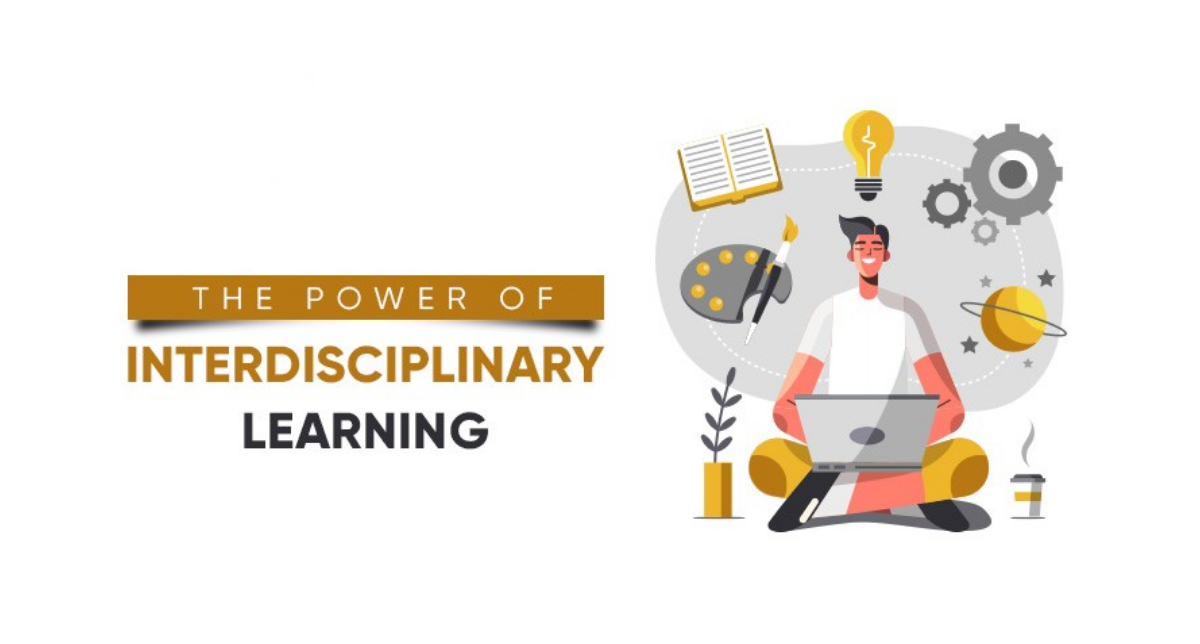
7 Benefits of Interdisciplinary Learning in Modern Education
At Ayana International Schools, learning goes beyond textbooks and isolated subjects. As a leading international school, it focuses on interdisciplinary education, helping students connect ideas across different subjects. This modern approach supports holistic education, builds critical thinking and problem solving skills, and prepares students for real-world challenges and career readiness.
In today’s evolving world, the importance of education lies not just in knowledge, but in understanding how to apply it. That’s where interdisciplinary learning plays a powerful role.
What are the 7 benefits of interdisciplinary learning in modern education?
Interdisciplinary learning plays a key role in shaping students in a modern international school. Here are the 7 key benefits:
Improves critical thinking and problem solving: Students learn to approach problems from different perspectives and develop analytical skills.
Builds holistic understanding: It helps students connect ideas across subjects, leading to deeper and more meaningful learning.
Enhances experiential learning: Learning becomes more engaging through hands-on activities, projects, and real-world applications.
Encourages creativity and innovation: Combining subjects allows students to think creatively and develop innovative solutions.
Supports career readiness: Students gain practical knowledge and skills that prepare them for future careers.
Promotes collaboration and communication: Group projects and discussions improve teamwork and communication abilities.
Ensures quality education: This approach provides a well-rounded education that goes beyond memorization.
What is interdisciplinary learning in modern education?
Interdisciplinary learning is an approach where students learn by connecting multiple subjects instead of studying them separately. For example, a single project may combine science, math, and language skills.
This method helps students develop a deeper holistic understanding and improves their ability to apply knowledge in real-life situations. It is widely used in modern international school systems to deliver quality education.
Why is interdisciplinary education important for students?
The importance of interdisciplinary education lies in its ability to make learning more meaningful and practical. Instead of memorizing facts, students learn how concepts are connected.
This leads to:
- Better critical thinking and problem solving
- Improved creativity and innovation
- Stronger holistic understanding
- Enhanced engagement in learning
Students begin to see the bigger picture, which is essential in modern education.
How does experiential learning support interdisciplinary learning?
Experiential learning is a key part of interdisciplinary education. It allows students to learn through real-life experiences, projects, and activities.
Instead of passive learning, students:
- Work on hands-on projects
- Collaborate in teams
- Solve real-world problems
This approach strengthens both knowledge and practical skills, making education more effective.
How does holistic education improve student growth?
Holistic education focuses on the overall development of students, academically, emotionally, and socially.
Through interdisciplinary learning, students:
- Build confidence
- Improve communication skills
- Develop emotional intelligence
- Enhance teamwork abilities
This creates a strong foundation for lifelong learning and ensures true quality education.
How does interdisciplinary learning support career readiness?
In today’s competitive world, career readiness requires more than academic knowledge. Students need skills that help them adapt, think critically, and solve problems.
Interdisciplinary learning helps students:
- Connect theory with real-world application
- Develop problem-solving abilities
- Gain practical knowledge across subjects
How do international schools deliver quality education through this approach?
A well-designed international school system integrates interdisciplinary methods into its curriculum to ensure quality education.
This includes:
- Project-based learning
- Student-centered teaching
- Integration of multiple subjects
- Focus on skill development
Such practices make learning more engaging and effective.
What makes Ayana International School different from others?
Ayana International Schools stands out because of its strong commitment to modern education practices. The school creates an environment where students are encouraged to explore, connect ideas, and think independently.
What makes it unique:
- Strong focus on interdisciplinary education
- Emphasis on experiential learning
- Commitment to holistic education
- Focus on career readiness and real-world skills
This approach ensures that students are not only academically strong but also prepared for life beyond the classroom.
Frequently Asked Questions:
1. What is interdisciplinary learning?
It is a method of learning where multiple subjects are combined to give students a deeper understanding of concepts.
2. Why is interdisciplinary education important in modern education?
It helps students connect knowledge, improve critical thinking, and apply learning in real-life situations.
3. How does experiential learning help students?
It allows students to learn through hands on activities and real-world experiences, improving understanding and retention.
4. What is holistic education?
Holistic education focuses on overall development, including academic, emotional, and social growth.
5. How do international schools support career readiness?
They use modern teaching methods like interdisciplinary and experiential learning to develop real-world skills.