



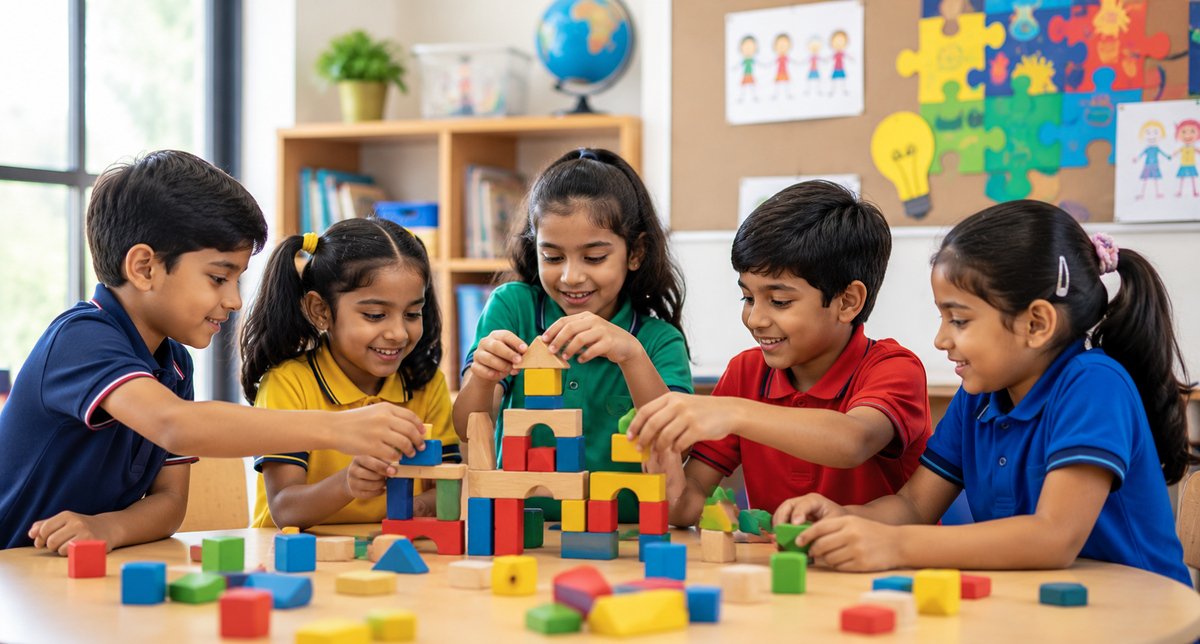
How Team Building and Collaboration Skills Prepare Students for Real-World Success
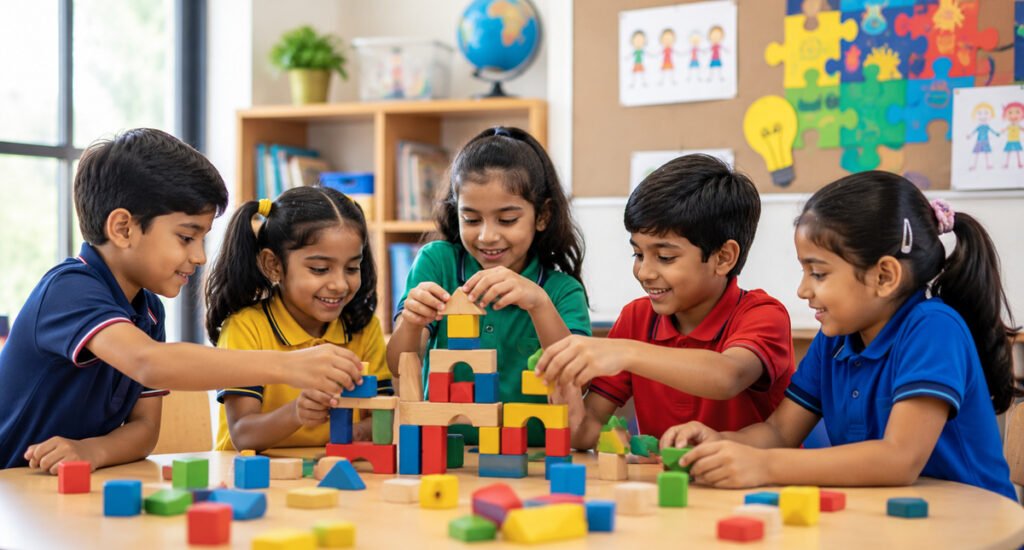
In today’s rapidly changing world, academic knowledge alone is not enough to help students succeed. Students also need to know how to communicate, work with others, solve problems, take responsibility, and adapt to different situations. These abilities become particularly important when they enter higher education, professional environments, and everyday life. Team building gives students opportunities to develop many of these essential skills while learning how to work towards a common goal.
At Ayana International School, learning extends beyond textbooks and examinations. A strong focus on collaboration, communication, leadership, and life skills helps students become confident individuals who can approach real-world challenges with a positive and practical mindset. Through classroom activities, group projects, discussions, sports, and other collaborative experiences, students learn how their individual strengths can contribute to a team.
Why Is Teamwork Important for Students?
Teamwork teaches students that successful outcomes often depend on people working together. In a classroom, students may have different ideas, abilities, interests, and approaches to solving a problem. Learning to bring these differences together helps students understand the value of cooperation.
Team work also teaches students to listen to others rather than focusing only on their own opinions. When students participate in group assignments or activities, they learn to divide responsibilities, meet deadlines, share ideas, and support their peers. These experiences can prepare students for situations they may encounter later in life. Whether working on a university project, participating in a community initiative, or joining a professional organisation, the ability to contribute effectively to a team remains valuable.
How Do Team Building Activities Help?
Team building activities provide practical opportunities for students to develop collaboration skills in an engaging environment. Instead of simply learning about teamwork as a concept, students experience what it means to depend on one another and work towards a shared objective. Activities can include group challenges, collaborative projects, sports, classroom problem-solving exercises, presentations, debates, and creative tasks. Each activity can encourage students to communicate clearly and understand their responsibilities within a group.
For example, a group project may require students to research a topic, divide tasks, prepare information, and present their findings together. One student may be particularly good at research, another may be confident in presenting, while someone else may have strong organisational skills. Working together allows each student to contribute a different strength. This approach makes learning more meaningful while helping students recognise that successful team building is based on trust, communication, responsibility, and mutual respect.
Can Collaboration Improve Communication Skills?
Yes. Collaboration naturally creates opportunities for students to practise communication skills. When students work together, they need to explain their ideas, ask questions, listen carefully, give feedback, and clarify misunderstandings. These simple interactions can gradually make students more comfortable expressing themselves.
Good communication is not only about speaking confidently. It also involves listening to different perspectives and responding respectfully. Students who practise these skills regularly can become better equipped to participate in discussions and handle disagreements constructively. Group activities can therefore create a learning environment where students understand that every person’s opinion may contribute something valuable. This can also encourage quieter students to participate and express their thoughts.
How Does Teamwork Develop Leadership Skills?
Leadership is often associated with being in charge, but effective leadership involves much more. A good leader knows how to listen, motivate others, make responsible decisions, and help a team move towards a common goal. Collaborative learning gives students opportunities to practise these qualities. Different students can take responsibility for different parts of a project, allowing them to experience leadership in practical situations.
Students may learn to:
- Organise tasks and responsibilities
- Encourage team members to participate
- Make decisions after considering different opinions
- Take responsibility for mistakes and outcomes
- Help resolve disagreements
- Motivate others when challenges arise
Rotating leadership responsibilities is particularly useful because it gives different students the opportunity to lead rather than allowing the same individuals to take charge every time. Over time, these experiences can strengthen leadership skills and help students become more confident in taking initiative.
Does Collaboration Build Life Skills?
Collaboration is closely connected to several important life skills. Students who regularly work with others can develop practical abilities that are useful both inside and outside the classroom. They learn how to manage responsibilities, respect different viewpoints, handle challenges, and adapt when a plan does not work as expected. These experiences can help students become more independent and responsible.
Some important life skills developed through collaboration include:
- Decision-making
- Problem-solving
- Time management
- Active listening
- Conflict resolution
- Responsibility
- Adaptability
- Empathy
- Cooperation
These skills may not always be measured through traditional examinations, but they can have a significant impact on how students approach future challenges.
How Does Team Building Prepare Students for the Workplace?
The workplace is rarely an environment where people work completely independently. Employees often collaborate with colleagues, communicate with clients, participate in meetings, contribute to projects, and solve problems as a team. Students who experience collaborative learning at school become familiar with some of these situations from an early age. They learn that different people can have different responsibilities while still working towards the same objective.
For instance, a school project may require students to research information, create a presentation, analyse data, and communicate the final outcome. Similar patterns of collaboration can be found in many professional environments. This makes team building an important part of preparing students for future academic and career opportunities. It helps students understand that professional success depends not only on individual knowledge but also on the ability to work effectively with others.
Can Teamwork Improve Problem-Solving?
Group work can introduce students to different ways of approaching a problem. Instead of relying on one solution, students can compare ideas and examine the strengths and limitations of different approaches. This process encourages critical thinking and creativity. A student may suggest an idea that another student develops further, eventually leading the group towards a solution that neither student would have reached alone.
Collaboration can also teach students how to respond when their first approach fails. They may need to reconsider their strategy, ask for suggestions, divide the problem into smaller parts, and try again. Such experiences help students become more comfortable with challenges and uncertainty, which are important aspects of real-world problem-solving.
Add Your Why Is Holistic Education Important?Text Here
Holistic education focuses on the overall development of students rather than academic performance alone. Intellectual growth is important, but students also need opportunities to develop socially, emotionally, physically, and personally. Collaboration supports this broader approach because students learn through interaction. They develop communication abilities while building relationships, practise leadership while taking responsibility, and develop confidence while contributing ideas.
A balanced educational environment can therefore help students understand their strengths while recognising areas where they can improve. An international school can provide diverse opportunities for this kind of development by bringing together students with different interests, experiences, and perspectives. Learning in such an environment can encourage students to appreciate diversity and become more open-minded.
How Can Schools Encourage Better Collaboration?
Schools can encourage collaboration by making teamwork a regular part of the learning experience rather than treating it as an occasional activity. Teachers can introduce group discussions, collaborative assignments, peer learning, project-based activities, sports, presentations, and creative challenges. The important factor is to ensure that every student has a meaningful role.
It is also important to teach students how to collaborate effectively. Simply placing students into groups does not automatically create good teamwork. Students may need guidance on listening, dividing responsibilities, resolving disagreements, and respecting different opinions. A supportive classroom environment can make these experiences more productive. Students should feel comfortable sharing ideas, asking questions, and learning from mistakes.
What Do Students Learn From Group Projects?
Group projects can teach students lessons that extend beyond the subject being studied. They learn how to manage time, organise responsibilities, communicate progress, and work towards deadlines. A successful group project may require students to understand that individual effort affects the entire team. If one responsibility is not completed, other team members may also be affected. This creates a practical understanding of accountability.
At the same time, students can learn that asking for help is not a weakness. Good teamwork often involves recognising when support is needed and offering assistance to others. These experiences can help students become more responsible and considerate members of a community.
How Can Collaboration Make Students Future-Ready?
The world students will enter after school is constantly changing. New technologies, evolving workplaces, international connections, and changing social needs require individuals to adapt and continue learning. Students therefore need more than subject knowledge. They need the confidence to communicate, cooperate, think critically, solve problems, and learn from different people.
Team building, communication, leadership, and other life skills contribute to this preparation. When students understand how to work with others, they can approach unfamiliar situations with greater confidence. Collaboration also helps students understand that success does not always mean working alone. Sometimes the strongest solution comes from combining different ideas, skills, and perspectives.
What Role Does an International School Play?
An international school can provide students with opportunities to learn in a diverse and collaborative environment. Exposure to different perspectives can encourage students to become respectful listeners and adaptable thinkers. Collaborative projects, discussions, activities, and experiential learning can help students connect classroom concepts with practical situations. Such experiences can support both academic development and personal growth.
At Ayana International School, collaboration can be viewed as an important part of preparing students for the opportunities and responsibilities that come beyond school. By encouraging students to communicate, participate, lead, and work together, education can become more closely connected to real-world expectations.
What Are the Long-Term Benefits of Collaboration?
The benefits of collaboration can continue long after students leave school. A student who learns to listen carefully, communicate respectfully, manage responsibilities, and contribute to a group develops habits that can be valuable throughout life. Collaboration can also help students become more comfortable with diversity. They learn that people may approach the same situation differently, and that differences can sometimes lead to better ideas.
Ultimately, the goal of team building activities and collaborative learning is not simply to complete a school assignment. It is to help students become capable individuals who can participate positively in families, communities, universities, workplaces, and society.
Conclusion
Success in the real world requires more than strong academic knowledge. Students need to know how to communicate, cooperate, take responsibility, solve problems, and work respectfully with people who may have different ideas and perspectives. Team building provides valuable opportunities to develop these abilities through practical experiences.
From team building activities and group projects to leadership opportunities and collaborative learning, schools can help students develop the skills required for future academic, professional, and personal success. Strong communication skills, leadership skills, and life skills can give students the confidence to face challenges and make meaningful contributions wherever they go.
For students at Ayana International School, a focus on collaboration and holistic education can help create a learning experience that goes beyond textbooks and prepares them for a changing and interconnected world. By learning how to work together today, students can become more capable, confident, and future-ready individuals tomorrow.
Frequently Asked Questions
1. Why are collaboration skills important for students?
Collaboration skills help students communicate, share responsibilities, solve problems, respect different opinions, and work towards common goals. These abilities are useful in education, careers, and everyday life.
2. What are some team building activities for students?
Group projects, sports, classroom challenges, debates, presentations, problem solving games, creative activities, and peer learning exercises are some effective team building activities for students.
3. How does teamwork help students in their careers?
Teamwork helps students develop communication, leadership, problem-solving, accountability, and interpersonal skills. These abilities are valuable in many professional environments where employees work together on projects and goals.
4. How can schools develop leadership skills in students?
Schools can provide opportunities for students to lead group projects, organise activities, present ideas, take responsibility for tasks, and support their peers. Giving students different leadership responsibilities helps build confidence and decision making abilities.
5. What is the connection between collaboration and holistic education?
Collaboration supports holistic education by developing not only academic abilities but also communication, social, emotional, leadership, and problem solving skills. It helps students grow as well-rounded individuals.