



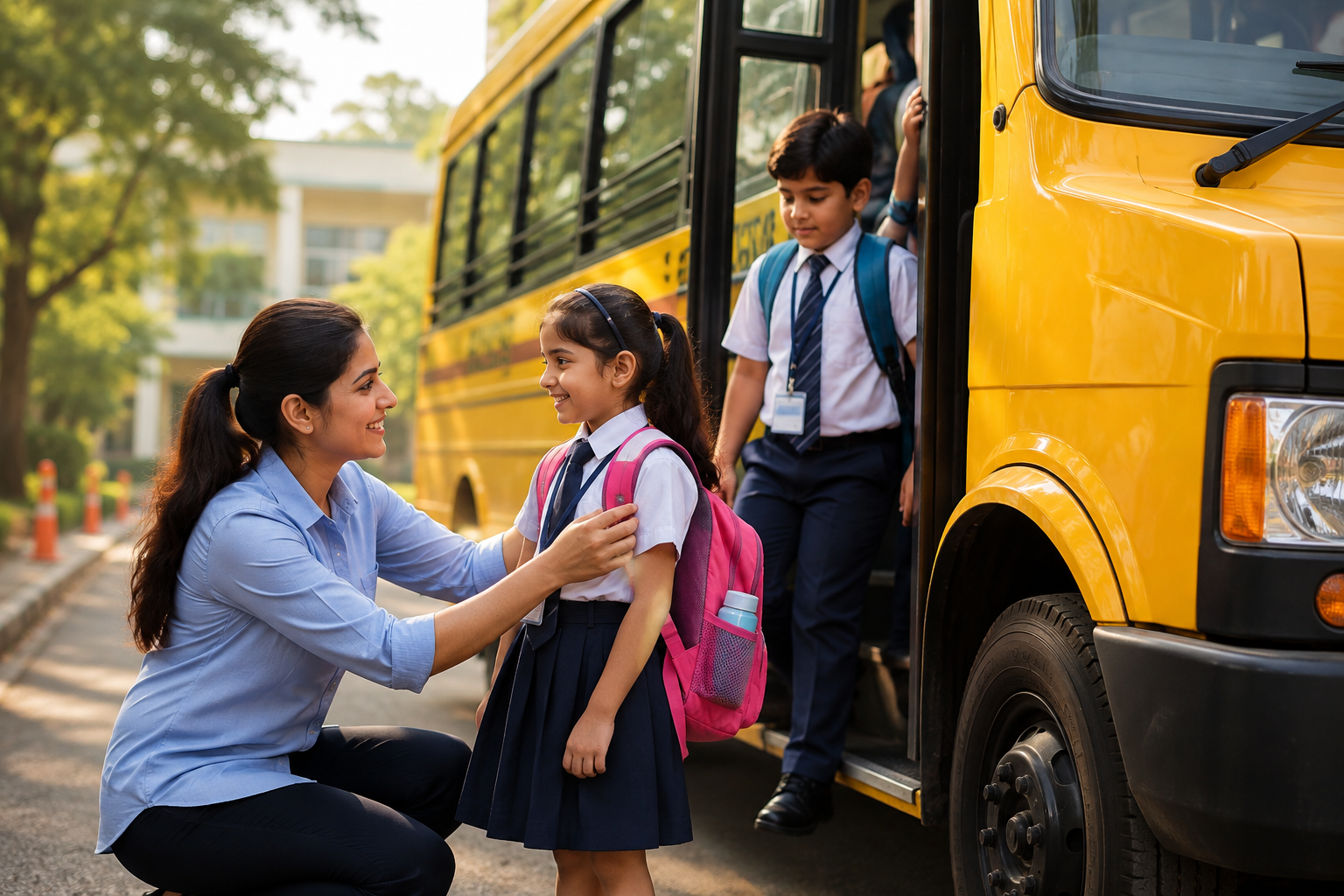
Safe School Transportation: Why Is It Important for Students?
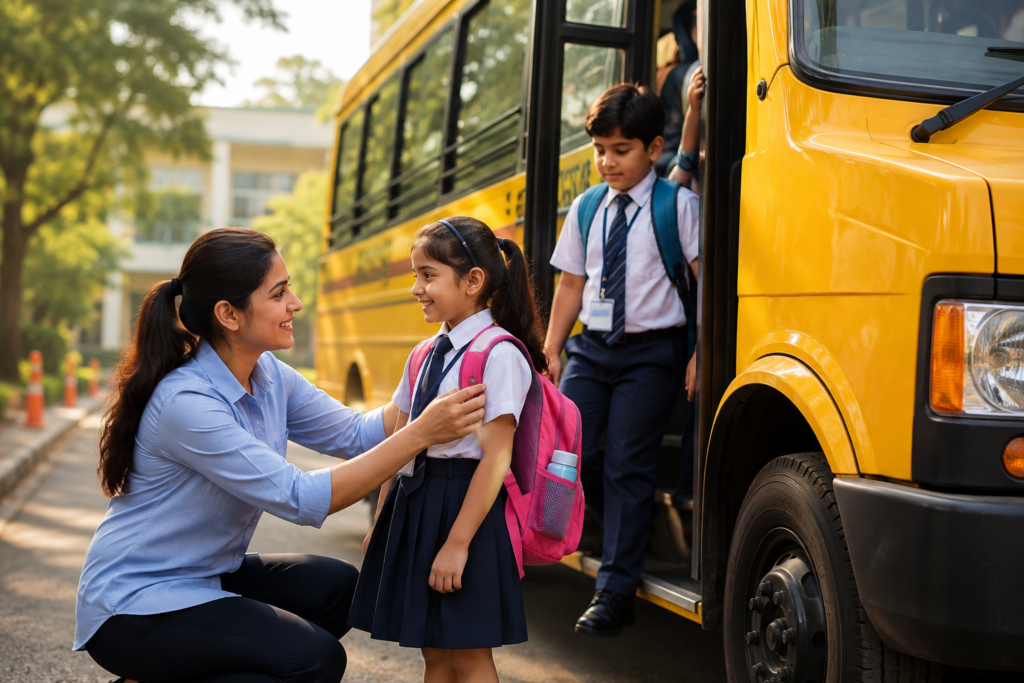
For parents, choosing the right school involves much more than looking at academics, curriculum, facilities, and extracurricular activities. One of the most important factors is safe school transportation. A reliable and well-managed school transport system helps children travel between home and school comfortably while giving parents greater peace of mind.
Every school day begins and ends with a journey. Whether children travel by school bus, van, or another school-approved vehicle, their safety during this journey deserves the same attention as their safety inside the classroom. Proper school transportation safety involves trained drivers, responsible attendants, well-maintained vehicles, planned routes, safe boarding procedures, and clear communication with parents.
At Ayana International School, creating a supportive and comfortable learning environment also includes paying attention to the child’s journey to and from school. The school provides van transportation facilities within a 10 km radius, helping families access a convenient commute while keeping student well-being in focus.
Why Is Safe School Transportation Important?
Children may spend a significant amount of time travelling to and from school, particularly in busy cities such as Bangalore. A safe and organized transportation system can reduce unnecessary risks and make the daily school journey more comfortable for students. Safe school transportation is not simply about getting children from one location to another. It involves creating a system where every part of the journey is planned with the child’s safety in mind.
A well-managed school transport facility can help:
- Reduce risks during daily travel
- Provide organized pick-up and drop-off procedures
- Ensure children are supervised during the journey
- Give parents greater confidence in the school’s safety practices
- Help children reach school comfortably and on time
- Create a more predictable daily routine
When transportation is properly managed, students can begin their school day with greater comfort and less travel-related stress.
What Makes School Transportation Safe?
A safe school transport system depends on several factors working together. A vehicle may be in good condition, but transportation safety also requires responsible staff, proper supervision, suitable routes, and clear procedures. According to safety guidance published by the Central Board of Secondary Education (CBSE), schools should pay attention to the condition and safety of school buses, maintain appropriate safety measures, and ensure that children are properly supervised while using school transportation.
Some important elements of school transportation safety include:
- Regular vehicle maintenance and inspections
- Trained and responsible drivers
- Qualified attendants or helpers where required
- Safe and clearly planned routes
- Appropriate pick-up and drop-off points
- First-aid arrangements
- Emergency procedures
- Student attendance and transport records
- Clear communication between school and parents
These measures work together to create a safer and more dependable transportation experience.
How Does a Safe School Bus Protect Children?
A school bus is more than just a vehicle. It becomes a temporary environment where children interact, wait, sit, and travel together. Therefore, the vehicle itself should be maintained properly and equipped with appropriate safety features. CBSE’s school transportation precautions include measures such as reliable doors and locks, fire extinguishers, first-aid facilities, appropriate identification, and speed-control measures. The guidance also emphasizes qualified attendants and responsible transport coordination.
Regular maintenance is equally important. Brakes, tyres, lights, doors, windows, and other essential components should be checked periodically so that potential problems can be identified before they become serious concerns. A clean and well-maintained vehicle also creates a more comfortable environment for students during their daily commute.
Why Are Trained Drivers and Attendants Important?
The people responsible for school transportation play a major role in child safety in school transportation. Drivers need to understand that they are carrying children and must follow safe driving practices throughout the journey. A responsible driver should remain focused on the road, follow traffic rules, avoid unnecessary speeding, and handle unexpected road situations calmly.
Attendants or transport helpers can provide another layer of supervision, particularly when younger children are travelling. They can help students board and leave the vehicle safely, maintain order inside the vehicle, and support children when necessary. CBSE guidance also highlights the importance of qualified attendants, transport coordination, and driver fitness checks as part of school transportation safety.
How Do Safe Pick-Up and Drop-Off Points Help?
The safety of a school journey does not begin when the vehicle starts moving. It begins when a child reaches the pick-up point. Children should have clearly defined and appropriately selected pick-up and drop-off locations. Parents and students should know the assigned location, expected timing, and route information. Children should avoid getting on or leaving the vehicle at random locations.
Organized boarding and exit procedures can help prevent children from running into traffic or becoming separated from their parents or guardians. For younger children, schools and families should also have clear arrangements regarding who is responsible for receiving the child at the designated stop. This is particularly important because the few minutes spent boarding or leaving a vehicle can present risks if children are unsupervised or the surroundings are not suitable.
Can School Transportation Improve a Child's Daily Routine?
Yes. A reliable school transport facility can make the school routine more organized for both children and parents. When pick-up times and routes are planned properly, children know what to expect each day. They can spend their travel time relaxing, talking with friends, or preparing mentally for the school day instead of dealing with uncertainty about transportation.
For working parents, dependable school transportation can also make daily scheduling easier. Instead of arranging a separate commute every morning and afternoon, families can use an organized school transport service where available. However, reliability should always be combined with safety. Reaching school quickly should never be more important than reaching school safely.
What Safety Habits Should Students Follow?
Schools provide the transportation system, but students also have an important role in maintaining school bus safety. Children should learn simple and age-appropriate safety habits from an early stage. These habits can become part of their everyday routine.
Students should:
- Wait at the designated pick-up point
- Board the vehicle calmly without pushing
- Remain seated while the vehicle is moving
- Keep their hands and head inside the vehicle
- Avoid distracting the driver
- Follow the instructions of the driver and attendant
- Keep aisles and entrances clear
- Avoid running around inside the vehicle
- Leave the vehicle only at the designated stop
Teaching these habits does not have to be complicated. Regular reminders from teachers and parents can help children understand that transportation safety is a shared responsibility.
How Can Schools Prepare for Emergencies?
Even with careful planning, unexpected situations can occur. A vehicle may experience a mechanical problem, traffic conditions may change suddenly, or a child may require medical assistance. A good safe school transport system should therefore include basic emergency procedures.
Schools can prepare by maintaining:
- Emergency contact information
- Student transport records
- First-aid facilities
- Vehicle maintenance records
- Driver and attendant information
- Clearly defined communication procedures
- Emergency response protocols
CBSE guidance recommends first-aid facilities and appropriate safety procedures for school transportation, while also emphasizing the importance of maintaining vehicle-related records. The objective is not to create fear among students. Instead, preparation helps staff respond calmly and responsibly if an unexpected situation occurs.
How Can Parents Support Transportation Safety?
Parents are an important part of the school transportation safety process. They should understand their child’s route, pick-up point, expected timing, and transportation rules. Parents can also encourage children to follow basic safety practices consistently. If a child notices something unusual during the journey, parents should encourage them to communicate it to a trusted adult or the school.
CBSE guidance also emphasizes the role of parents in monitoring school transportation and reporting safety concerns to the appropriate school authorities. Open communication between parents and schools can make it easier to identify and address transportation concerns before they become larger problems.
Why Is Communication Important in School Transport?
Good communication can make a school transportation system more efficient and safer. Parents should know whom to contact if there is a change in transportation arrangements, a delay, or another concern. Similarly, schools should have a clear way to communicate important transport updates to families.
For example, parents may need information about:
- Changes in pick-up or drop-off times
- Route changes
- Temporary transportation arrangements
- Vehicle delays
- School transport policies
- Emergency situations
Clear communication reduces confusion and helps everyone understand their responsibilities.
What Should Parents Check Before Choosing School Transport?
Parents considering a school’s transportation facility should look beyond convenience. They should understand how the school manages the daily journey and what safety procedures are followed.
Some useful questions include:
- Is the vehicle regularly maintained?
- Are drivers properly trained and authorized?
- Is there an attendant or helper when appropriate?
- Are pick-up and drop-off points clearly defined?
- How does the school monitor transportation?
- What happens during an emergency?
- How can parents contact the school regarding transport concerns?
- Are transport records and student details maintained appropriately?
These questions can help parents make a more informed decision when comparing schools.
How Does Ayana International School Support Safe Travel?
Transportation is an important part of the overall school experience because a child’s learning journey begins before entering the classroom. Ayana International School provides a van transportation facility within a 10 km radius, designed to support a convenient commute for students and families. The school’s facilities page highlights transportation as part of its effort to provide a comfortable and supportive school experience.
Parents can also explore the school’s broader facilities and educational approach to understand how transportation fits into the overall learning environment. A school that focuses on academics, activities, student development, and well-being needs to consider the complete experience of the child, including the journey to and from campus.
What Are the Benefits of Safe School Transportation?
A well-planned transportation system can offer benefits that go beyond physical safety. It can contribute to a child’s overall school experience by creating consistency and reducing unnecessary travel-related stress.
Some key benefits include:
Greater peace of mind: Parents can feel more comfortable knowing that their child’s daily commute is organized.
Better time management: Planned routes and schedules can make the morning and afternoon routine easier.
Improved supervision: Responsible transport staff can help children follow appropriate safety practices.
Comfortable daily travel: A properly maintained vehicle can provide a better commuting environment.
Consistent school routine: Reliable transportation helps children follow a predictable daily schedule.
Most importantly, safe transportation reinforces the idea that student well-being matters at every stage of the school day.
Is Safe Transportation Part of a Good School Experience?
Absolutely. Education does not begin only when a student sits inside a classroom. A child’s overall school experience includes the environment at school, interactions with teachers and peers, extracurricular activities, and the journey between home and school. A strong school transport system can complement a school’s broader approach to student care. It shows that safety is considered not only during lessons but also during the time students are travelling.
For parents searching for an international school in Bangalore, transportation can therefore be one of the practical factors worth considering alongside curriculum, teaching approach, facilities, extracurricular activities, and student support.
Conclusion
Safe school transportation is an essential part of a child’s educational journey. From well-maintained vehicles and trained drivers to organized routes, responsible supervision, safe boarding procedures, and effective communication, every part of the system contributes to student safety.
Parents should consider transportation facilities carefully when choosing a school and should encourage children to follow simple safety habits during every journey. Schools, meanwhile, can strengthen school transportation safety through regular monitoring, maintenance, staff training, emergency planning, and clear communication.
At Ayana International School, transportation is part of creating a convenient and supportive experience for students and families. With van transportation available within a 10 km radius, the school aims to make the daily commute more convenient while keeping student well-being an important part of the overall school experience.
Frequently Asked Questions
1. Why is school transportation safety important?
School transportation safety helps protect children during their daily journey between home and school. Proper vehicles, trained staff, safe routes, supervision, and emergency procedures can make transportation more secure and reliable.
2. What are the main school bus safety measures?
Important school bus safety measures include regular vehicle maintenance, reliable doors, appropriate safety equipment, first-aid facilities, responsible drivers and attendants, proper student supervision, and clearly planned transportation procedures.
3. What should children do to stay safe on a school bus?
Children should remain seated while the vehicle is moving, avoid distracting the driver, keep their hands and head inside the vehicle, follow staff instructions, and board or leave only at designated locations.
4. What should parents ask about school transportation?
Parents can ask about vehicle maintenance, driver qualifications, attendants, routes, pick-up and drop-off points, emergency procedures, communication systems, and how the school monitors transportation safety.
5. Does Ayana International School provide transportation?
Yes. Ayana International School provides van transportation facilities within a 10 km radius for students. Parents can contact the school to understand the current transportation arrangements and availability.
6. How can parents contribute to school transportation safety?
Parents can teach children basic transport safety habits, follow designated pick-up and drop-off procedures, communicate concerns with the school, and ensure that children understand the importance of following transportation rules.
7. Is transportation important when choosing an international school?
Yes. Along with academics, curriculum, facilities, teaching methods, and student development, transportation is an important practical consideration for families. A reliable school transport facility can make the daily school routine more convenient and organized.