



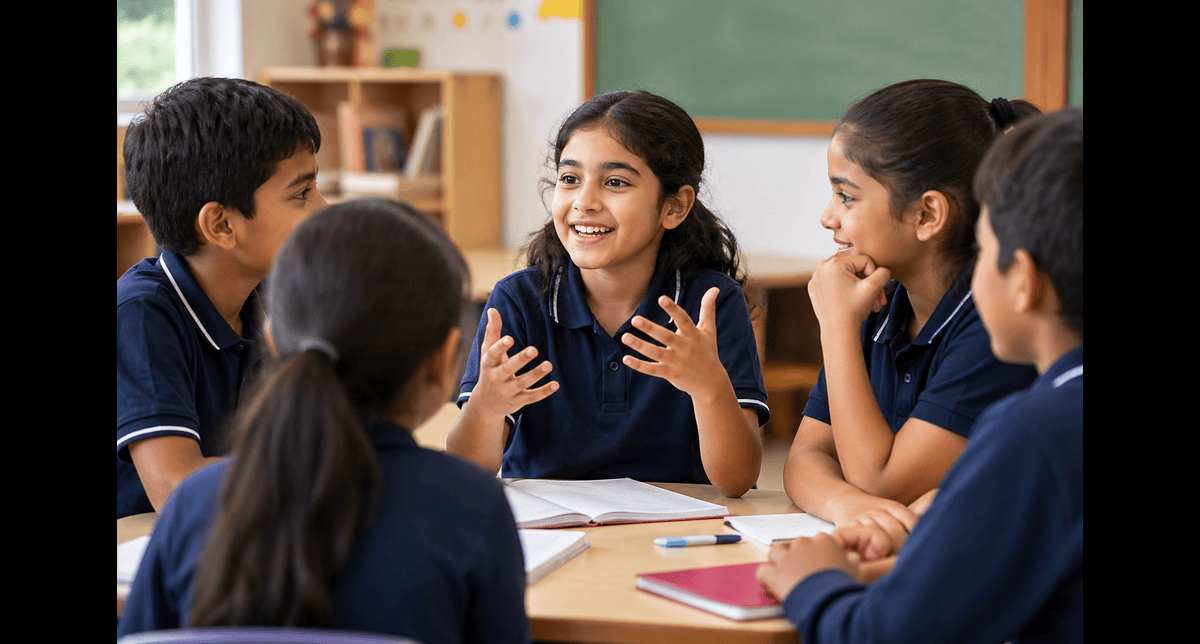
How Schools Help Children Develop Strong Communication Skills for Success
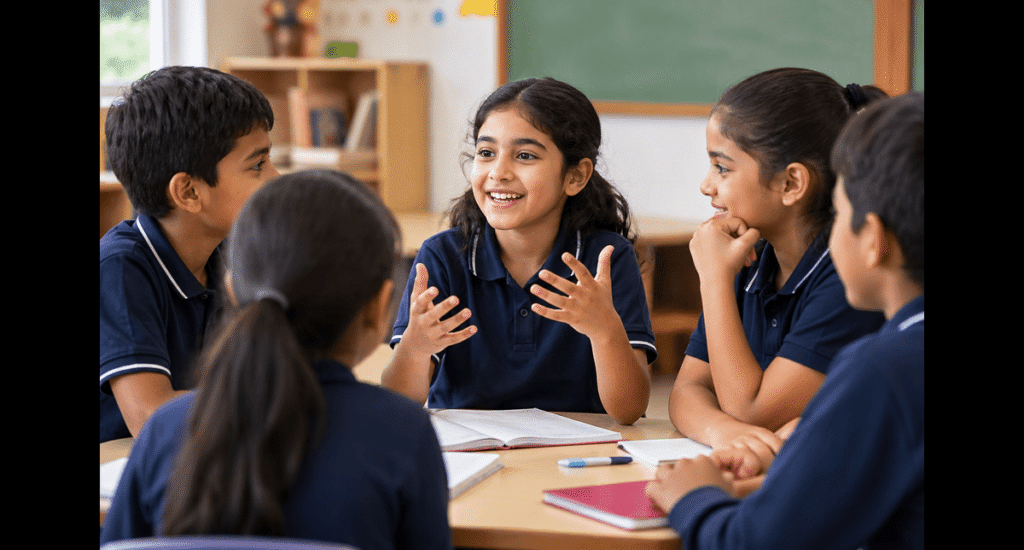
Communication skills are one of the most important life skills a child can develop during their early education years. At Ayana Bala Kuteera, communication development is seen as a core part of child development because strong communication helps children express thoughts clearly, build confidence, improve social relationships, and perform better academically. Schools play a major role in shaping how children speak, listen, interact, and collaborate with others from an early age.
In today’s fast-changing world, communication is not limited to speaking well. It also includes listening, understanding emotions, teamwork, public speaking, and confidence building. A nurturing school environment helps children gradually develop these essential soft skills through daily learning experiences, collaborative learning activities, and meaningful classroom interactions.
Why Are Communication Skills Important for Child Development?
Communication skills are essential because they form the foundation for learning, social growth, and personality development. Children with strong communication abilities are more likely to participate in class, ask questions confidently, and express their ideas effectively.
When schools focus on communication skills, children benefit in several ways:
- Better language development
- Improved confidence and self-esteem
- Stronger classroom participation
- Enhanced problem-solving abilities
- Better teamwork and collaborative learning
- Improved academic performance
Strong communication also supports emotional intelligence, helping children understand others and build positive relationships.
How Does School Education Improve Communication Skills?
Schools provide structured opportunities for children to practice communication every day. Through classroom learning, discussions, storytelling, presentations, and group projects, children gradually improve both verbal and non-verbal communication.
Teachers encourage students by:
- Asking open-ended questions
- Conducting group discussions
- Promoting storytelling sessions
- Encouraging reading aloud
- Organizing role-play activities
- Supporting public speaking opportunities
At Ayana Bala Kuteera, children are guided through interactive learning methods that encourage them to share ideas confidently while improving their language fluency.
How Does Collaborative Learning Build Better Communication?
Collaborative learning is one of the most effective teaching strategies for developing communication skills. When children work together on projects, games, or discussions, they learn how to express ideas, listen actively, and respect different perspectives.
For example, during group activities, children naturally practice:
- Speaking clearly
- Listening to peers
- Sharing opinions
- Solving problems together
- Building leadership skills
This process not only improves communication but also contributes to personality development and teamwork skills.
Can Classroom Activities Improve Communication Skills?
Yes, classroom activities are highly effective in building communication skills, especially in early education. Children learn best when they are actively engaged rather than passively listening.
Some of the best communication-building activities include:
Storytelling and Show-and-Tell
These activities help children organize thoughts, improve vocabulary, and build confidence.
Group Discussions
Children learn to express opinions, listen carefully, and respond appropriately.
Drama and Role Play
Role-play encourages creativity, emotional understanding, and conversational practice.
Reading Sessions
Reading improves vocabulary, pronunciation, and language comprehension. At Ayana Bala Kuteera, activity-based learning supports student learning while making communication development fun and natural.
What Role Do Teachers Play in Communication Development?
Teachers are one of the biggest influences on a child’s communication journey. Their teaching methods can shape how confidently children speak and interact.
A supportive teacher:
- Creates a safe space for expression
- Encourages questions
- Corrects gently
- Promotes discussion
- Builds confidence through positive reinforcement
When children feel heard and valued, they become more willing to participate, which directly enhances communication skills.
How Does Personality Development Connect With Communication?
Communication and personality development go hand in hand. A child who communicates effectively often shows stronger leadership, confidence, empathy, and adaptability.
Schools that focus on personality development help children:
- Build self-confidence
- Improve body language
- Learn social etiquette
- Strengthen leadership qualities
- Develop emotional intelligence
This holistic approach prepares children not just for academics, but for life success.
How Can Parents and Schools Work Together?
progress. When parents reinforce communication at home through conversation, storytelling, and active listening, children improve faster.
Parents can support by:
- Encouraging daily conversations
- Reading together
- Asking thoughtful questions
- Limiting passive screen time
- Promoting social interaction
When schools like Ayana Bala Kuteera and parents work together, children receive consistent support for communication growth.
Why Is Early Education the Best Time to Develop Communication Skills?
Early childhood is the most important stage for communication development because young minds are highly receptive. During these formative years, children rapidly absorb language patterns, social cues, and confidence-building habits.
A quality early education environment provides:
- Language-rich classrooms
- Interactive student learning
- Emotional support
- Peer communication opportunities
- Structured soft skills development
This is why choosing the right school can have a lasting impact on a child’s future.
What Makes Ayana Bala Kuteera a Strong Choice for Communication Development?
At Ayana Bala Kuteera, child development goes beyond textbooks. The focus is on creating a balanced learning environment where children develop communication skills, collaborative learning habits, confidence, and personality development naturally.
With interactive classrooms, supportive teachers, and engaging learning methods, Ayana Bala Kuteera helps children become confident communicators prepared for academic and personal success.
Conclusion:
Strong communication skills are essential for every child’s academic journey, personality development, and future success. Schools play a transformative role in nurturing these abilities through collaborative learning, classroom interaction, and confidence-building experiences. At Ayana Bala Kuteera, children are empowered with the right environment to grow into confident communicators, helping them thrive both inside and outside the classroom.
Frequently Asked Questions:
1. How do schools help improve communication skills?
Schools improve communication skills through discussions, presentations, storytelling, collaborative learning, and teacher-guided interaction.
2. Why are communication skills important for students?
Communication skills help students express ideas, build confidence, improve relationships, and succeed academically.
3. What activities improve communication skills in children?
Storytelling, role play, reading, group discussions, and public speaking activities are highly effective.
4. At what age should children start developing communication skills?
Communication development begins in early childhood, making preschool and primary school crucial stages.
5. How can parents support communication development at home?
Parents can encourage communication through regular conversations, reading sessions, and interactive play.