



How Positive School Culture Shapes Student Growth and Success
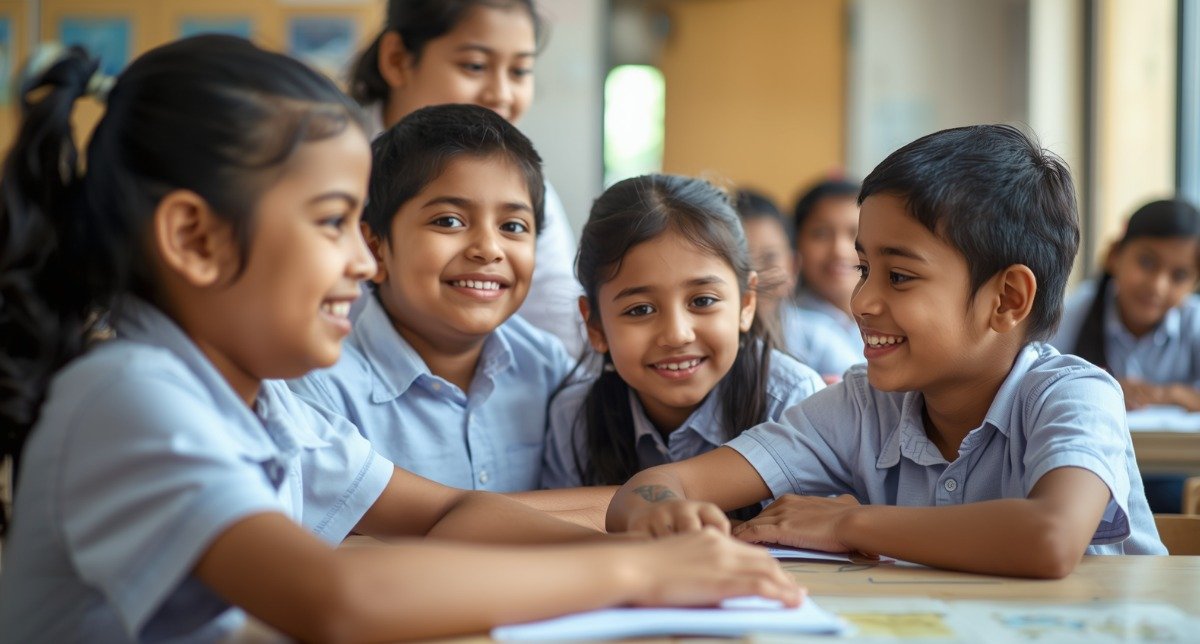
Choosing the right school is about more than academics. Parents today want an environment where children feel safe, inspired, and encouraged to grow into confident individuals. At Ayana International School, school culture plays a vital role in shaping academic performance, child development, holistic learning, leadership skills, and emotional well-being.
A positive school culture creates the foundation for student development by fostering respect, curiosity, discipline, and collaboration. Strong child development and holistic learning begin in an environment where students feel supported, valued, and motivated to learn. From early childhood development to advanced learning stages, the atmosphere children experience every day directly impacts how they think, behave, and succeed. When students are surrounded by supportive teachers, inclusive values, and meaningful opportunities, they are more likely to thrive both inside and outside the classroom.
What Is School Culture and Why Does It Matter?
School culture refers to the shared values, beliefs, behaviors, and environment that shape everyday life in a school. It includes teacher-student relationships, peer interactions, academic expectations, discipline systems, and extracurricular opportunities that support child development and holistic learning.
A healthy school culture matters because children spend a major part of their formative years in school. This environment plays a crucial role in child development and influences:
- Academic confidence
- Social skills
- Emotional intelligence
- Leadership development
- Creativity and critical thinking
When schools prioritize holistic learning, they create a balanced environment where child development flourishes. Students feel motivated to participate, take responsibility, and explore their full potential academically, socially, and emotionally.
How Does Positive School Culture Support Student Development?
Student development goes beyond textbooks and examinations. A nurturing environment encourages children to become balanced individuals with strong moral values and practical life skills. By supporting child development through holistic learning, schools help students grow academically, emotionally, and socially.
Academic Growth Through Encouragement
Students perform better when they feel supported. Positive reinforcement, engaging teaching methods, and collaborative classrooms help children develop a love for learning. Holistic learning focuses not only on grades but also on understanding, creativity, and continuous progress. At Ayana International School, students are encouraged to ask questions, solve problems, and think independently, skills essential for lifelong success and child development.
Emotional and Social Development
A positive environment teaches children empathy, teamwork, and communication. These qualities are crucial in child development and help students build healthy relationships, resilience, and confidence.
When children feel emotionally secure, they are more willing to:
- Participate in discussions
- Express ideas openly
- Build friendships
- Handle challenges effectively
This balanced approach to holistic learning directly supports child development and prepares students for future personal and professional relationships.
Can School Culture Influence Early Childhood Development?
Yes, early child development is deeply connected to the environment children experience during their early years of education. During this crucial stage, holistic learning plays an essential role in shaping how children grow intellectually, emotionally, and socially. Young learners absorb behaviors, habits, and attitudes quickly, making a positive school culture vital for child development.
A school with kindness, structure, and creativity can positively shape:
- Cognitive skills
- Language development
- Emotional resilience
- Social interaction
- Curiosity
Through holistic learning, younger students benefit from balanced academic, emotional, and social experiences that strengthen child development from the start. Supportive routines and meaningful teacher interactions build trust, confidence, and a love for learning. This is why many parents seek an internationalschool environment that emphasizes academic readiness, holistic learning, and emotional security.
Why Is Holistic Learning Important for Child Growth?
Holistic learning focuses on educating the whole child, mind, body, and character. This approach recognizes that success is not only about academic excellence but also about emotional intelligence, physical health, and social responsibility.
Benefits of Holistic Learning:
- Encourages creativity
- Builds confidence
- Improves communication
- Promotes leadership skills for students
- Supports physical and mental well-being
Schools that integrate sports, arts, teamwork, and life skills into daily education help children become adaptable and capable individuals. At Ayana International School, holistic learning is part of creating future-ready students who excel academically while developing compassion and resilience.
How Do Leadership Skills for Students Develop in School Culture?
Leadership is not just about holding positions; it begins with responsibility, confidence, and decision-making. A positive school culture, supported by holistic learning, creates opportunities for child development by encouraging students to lead in classrooms, sports, projects, and social initiatives.
Schools build leadership through:
- Group projects
- Public speaking opportunities
- Student councils
- Team sports
- Community service activities
Through holistic learning, children gain real-world experiences that strengthen child development, accountability, and self-belief. When students are given responsibilities early, they develop confidence, problem-solving abilities, and essential leadership skills. These leadership skills for students become valuable throughout higher education, personal growth, and future career success.
What Role Do Teachers Play in Student Growth?
Teachers are central to school culture. Their approach shapes how children perceive learning, themselves, and the world around them. Through holistic learning, teachers play a vital role in child development by creating meaningful educational experiences that support academic, emotional, and personal growth.
A supportive teacher can:
- Inspire confidence
- Encourage critical thinking
- Identify individual strengths
- Build discipline positively
- Foster emotional security
By encouraging holistic learning, teachers help students develop curiosity, resilience, and self-belief. At Ayana International School, educators contribute to a student-first environment where child development is nurtured through guidance, mentorship, and empowerment, helping every student reach their full potential.
How Does a Safe Environment Improve Development and Growth?
Children learn best when they feel safe. Physical safety, emotional security, and inclusivity are all essential parts of a positive school culture. A safe environment reduces stress and allows students to focus on learning. It also encourages participation and risk-taking in educational settings, such as answering questions, trying new activities, or expressing creativity.
This is especially important for development and growth during adolescence, when confidence can significantly impact academic and personal outcomes.
Can Extracurricular Activities Improve Student Development?
Absolutely. Extracurricular activities are a major part of holistic learning.
Activities like music, dance, coding clubs, debate, and sports help students:
- Discover talents
- Improve teamwork
- Learn discipline
- Build resilience
- Strengthen communication skills
A strong school culture ensures these opportunities are not optional add-ons but essential parts of education.
How Can Parents Identify a Positive School Culture?
Parents should look beyond infrastructure and academic scores. The right school environment reflects values and student happiness.
Signs of a positive school culture include:
- Respectful teacher-student relationships
- Strong communication with parents
- Focus on child development
- Balanced academics and activities
- Student engagement and confidence
Visiting the campus, speaking with educators, and observing student interactions can provide valuable insights. For more about Ayana International School’s educational philosophy, visit the school’s internal pages such as Admissions, Curriculum, and Student Life.
Why Is an International School Environment Beneficial?
An internationalschool often emphasizes global awareness, communication, and broader skill development. Students are exposed to diverse perspectives, innovative teaching methods, and balanced learning experiences.
Benefits include:
- Global mindset
- Strong communication skills
- Cultural awareness
- Advanced academic opportunities
- Personal confidence
This environment can significantly enhance student development in an increasingly interconnected world.
Conclusion:
School culture is one of the most powerful influences on a child’s future. It shapes academic habits, emotional intelligence, leadership qualities, and overall development and growth. A positive environment ensures children are not just educated but empowered.
Ayana International School understands that true education goes beyond classrooms. By combining strong values, holistic learning, leadership opportunities, and student-centered development, Ayana International School helps children grow into capable, confident, and compassionate individuals ready to succeed in every stage of life.
Frequently Asked Questions:
1. How does school culture affect academic success?
A positive school culture improves motivation, engagement, and confidence, which directly enhances academic performance.
2. Why is holistic learning important in schools?
Holistic learning develops emotional, social, physical, and intellectual skills, preparing children for overall success.
3. How can schools improve leadership skills for students?
Schools can nurture leadership by offering student councils, collaborative projects, sports, and responsibility-driven activities.
4. What should parents look for in a school environment?
Parents should prioritize safety, teacher quality, emotional support, extracurricular opportunities, and a focus on child development.
5. Why is early childhood development important in education?
Early childhood development builds foundational cognitive, emotional, and social skills that influence lifelong learning.