



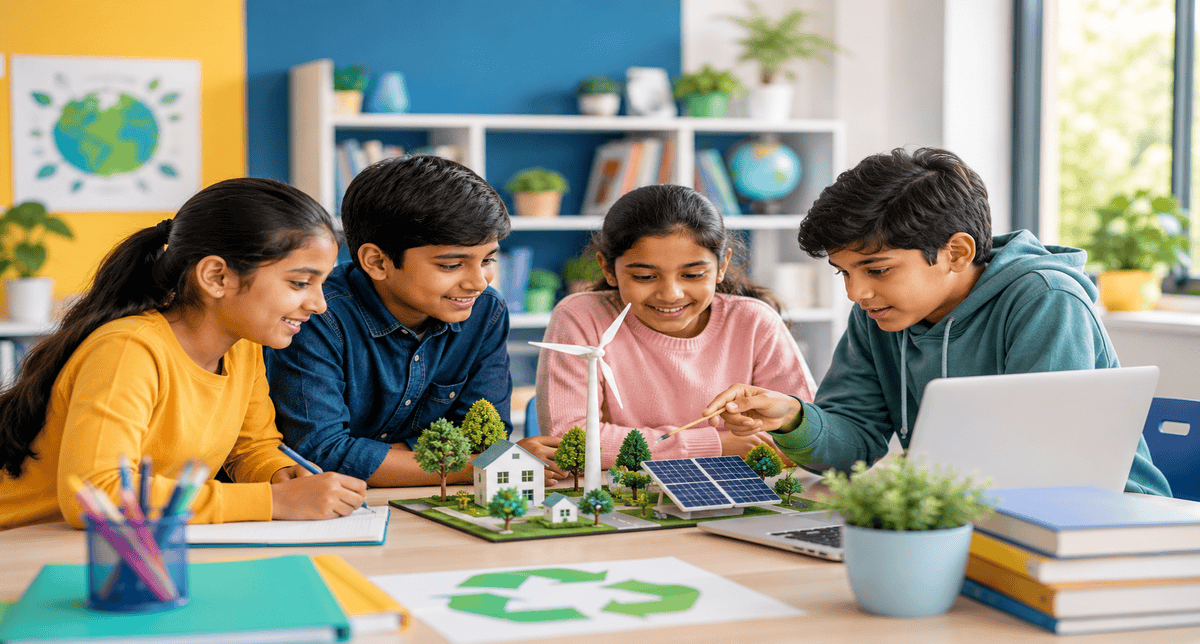
Why Experiential Learning Is the Future of Education: Benefits, Importance, and Real-World Impact
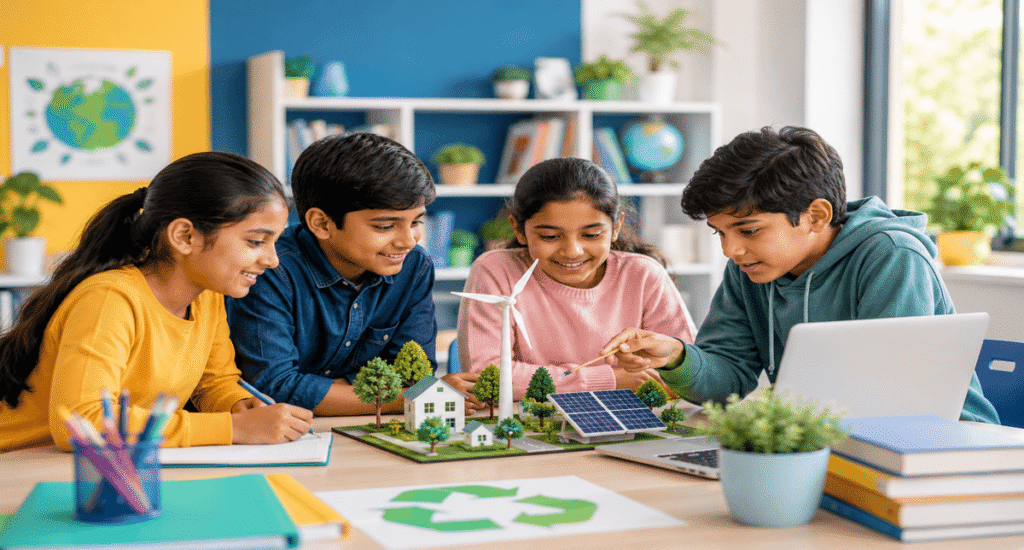
Education is no longer limited to textbooks and examinations. As the world continues to evolve, schools must prepare students with the knowledge, skills, and confidence needed to succeed in real life. This is where experiential learning is transforming modern education.
At Ayana International School, we believe that learning should inspire curiosity, creativity, and independent thinking. Instead of focusing only on memorization, we encourage students to explore concepts through hands-on experiences, collaboration, and practical applications. This approach helps children understand lessons more deeply while developing essential life skills that prepare them for the future.
As one of the emerging institutions embracing innovative learning methods, Ayana International School focuses on nurturing young minds through a balanced combination of academics, creativity, and holistic development.
What Is Experiential Learning?
Experiential learning is a teaching approach where students actively engage in the learning process through activities, projects, discussions, and real-world experiences. Rather than simply receiving information, children learn by doing and reflecting on their experiences. This approach makes learning more meaningful because students understand not only what they are studying but also why it matters. Experiential learning encourages curiosity and helps students retain concepts for a longer period.
Some examples of experiential learning include:
- Science experiments and laboratory activities.
- Educational field trips.
- Group discussions and presentations.
- Role-playing and simulations.
- Creative arts and hands-on projects.
- Community service and social initiatives.
By connecting theory with practice, experiential learning creates confident and independent learners.
Why Is Experiential Learning Important in Modern Education?
Modern education is shifting from rote memorization to skill-based learning. Students today need much more than academic knowledge to thrive in a competitive world. They require communication skills, creativity, adaptability, and problem-solving abilities.
Experiential learning develops these competencies naturally. Through practical experiences, students gain confidence and understand how knowledge applies to everyday situations. This approach also improves engagement because children enjoy learning when they actively participate in it.
Research and educational experts around the world recognize experiential learning as one of the most effective ways to prepare students for the future. It creates lifelong learners who are curious, innovative, and capable of adapting to changing environments.
How Does Student-Centered Learning Benefit Children?
Traditional classrooms often revolve around teachers delivering information. However, student-centered learning places children at the heart of the educational process. In student-centered classrooms, teachers act as facilitators who encourage students to ask questions, think independently, and participate actively. Every child has unique strengths and learning styles, and this approach allows them to learn at their own pace.
Student-centered learning helps students:
- Become more confident and independent.
- Improve communication and interpersonal skills.
- Take responsibility for their learning.
- Develop creativity and self-expression.
- Build stronger problem-solving abilities.
By encouraging active participation, schools can create learners who are motivated and enthusiastic about acquiring knowledge.
Why Are Modern Learning Methods Changing Education?
Today’s classrooms are evolving rapidly. Effective learning methods are no longer limited to lectures and note-taking. Instead, they focus on creating engaging experiences that help students understand concepts in a meaningful way.
Some modern learning methods include:
- Experiential learning.
- Inquiry-based learning.
- Activity-based learning.
- Collaborative learning.
- Project-based learning programs.
- Interactive and technology-enabled learning.
These approaches ensure that students develop not only academic knowledge but also practical skills needed for future success.
How Does Cooperative Learning Improve Social Skills?
Education is not only about individual achievement; it is also about learning to work with others. Cooperative learning encourages students to collaborate, communicate, and solve problems together. Group activities provide opportunities for students to share ideas, respect different opinions, and develop leadership skills. These experiences help children become empathetic and socially responsible individuals.
Benefits of cooperative learning include:
- Better teamwork and collaboration.
- Strong communication skills.
- Increased confidence.
- Enhanced creativity and innovation.
- Improved understanding through peer interaction.
Such skills are valuable not only in academics but also in professional and personal life.
How Do Project-Based Learning Programs Enhance Understanding?
One of the most effective ways to make education engaging is through project-based learning programs. These programs encourage students to apply classroom concepts to practical situations and real-world challenges. Instead of memorizing information for examinations, students work on meaningful projects that require research, creativity, planning, and presentation skills.
For example:
- Students can create environmental awareness campaigns.
- Mathematics concepts can be applied through budgeting exercises.
- Science projects can encourage innovation and experimentation.
- Social studies lessons can involve community-based activities.
Project-based learning programs help students become active learners and strengthen their analytical and creative abilities.
Why Are Critical Reasoning Skills Essential?
In today’s information-driven world, students need the ability to think independently and make informed decisions. Developing critical reasoning skills is one of the biggest advantages of experiential learning.
Critical reasoning helps students:
- Analyze information effectively.
- Solve problems logically.
- Evaluate different perspectives.
- Make informed decisions.
- Adapt to new challenges confidently.
Rather than accepting information blindly, students learn to ask questions, investigate solutions, and think creatively. These skills are increasingly important in higher education and future careers.
Why Are International Schools Embracing Experiential Learning?
Leading international schools around the world are adopting experiential learning because it supports holistic development and prepares students for global opportunities.
International schools focus on creating environments where students can:
- Develop leadership qualities.
- Build communication skills.
- Explore creativity and innovation.
- Learn through practical experiences.
- Become responsible global citizens.
This approach ensures that students are prepared not only for academic excellence but also for life beyond the classroom.
How Does Experiential Learning Build Future-Ready Skills?
The world is changing faster than ever before. Future careers will require adaptability, creativity, and collaboration. Experiential learning develops these qualities naturally and prepares students to face new challenges with confidence.
Students gain essential 21st-century skills such as:
- Communication skills.
- Creativity and innovation.
- Leadership abilities.
- Emotional intelligence.
- Problem-solving skills.
- Teamwork and collaboration.
- Digital literacy.
- Adaptability and resilience.
These competencies are becoming just as important as academic achievement.
Why Is Experiential Learning Better Than Traditional Learning?
Traditional education often emphasizes memorization and examination performance. While academic excellence remains important, students also need opportunities to apply their knowledge.
Traditional Learning | Experiential Learning |
Teacher-centered | Student-centered |
Memorization-focused | Application-focused |
Passive participation | Active engagement |
Limited creativity | Encourages innovation |
Short-term retention | Long-term understanding |
Exam-oriented | Skill-oriented |
Experiential learning creates a deeper understanding of concepts and helps students become independent thinkers.
What Makes Ayana International School Different?
At Ayana International School, education goes beyond academics. We believe that every child deserves an environment where learning is engaging, meaningful, and inspiring.
A Student-Centered Learning Environment
We focus on student-centered learning that encourages children to participate actively, ask questions, and develop confidence. Teachers act as mentors who guide students according to their individual strengths and interests.
Experiential and Project-Based Learning Programs
Our classrooms promote experiential learning through practical activities, discussions, collaborative projects, and real-world applications. Through project-based learning programs, students gain deeper understanding and develop creativity, communication, and analytical thinking.
Focus on Critical Reasoning Skills
At Ayana International School, we encourage children to think independently and solve problems creatively. Activities are designed to enhance critical reasoning skills and help students become confident decision-makers.
Holistic Development
Academic excellence is only one aspect of education. We provide opportunities in sports, arts, leadership programs, and extracurricular activities to ensure holistic development.
Cooperative Learning and Collaboration
Our classrooms encourage cooperative learning where students work together, exchange ideas, and develop interpersonal skills that are essential for success in today’s world.
Future-Ready Education
We prepare students for life beyond school by nurturing creativity, leadership, communication, and adaptability. Our goal is to develop confident and responsible global citizens who can thrive in any environment.
This commitment to experiential learning and holistic development is what makes Ayana International School truly different.
Conclusion
The future of education is not just about teaching facts; it is about helping students understand, apply, and innovate. Experiential learning, supported by student-centered learning, cooperative learning, project-based learning programs, and strong critical reasoning skills, equips children with the tools they need to succeed in an ever-changing world.
At Ayana International School, we are committed to creating a learning environment that inspires curiosity, nurtures creativity, and promotes holistic development. Through innovative learning methods and personalized attention, we empower students to become confident learners, compassionate individuals, and responsible global citizens. By embracing experiential learning, Ayana International School is preparing young minds not just for examinations, but for lifelong success and a bright future.
Frequently Asked Questions
1. What is experiential learning in education?
Experiential learning is a teaching method where students gain knowledge through practical experiences, activities, and real-world applications rather than relying solely on theoretical instruction.
2. Why is experiential learning considered the future of education?
Experiential learning develops creativity, communication, collaboration, and critical reasoning skills, making students better prepared for future careers and life challenges.
3. How does student-centered learning help children?
Student-centered learning encourages active participation, independent thinking, confidence, and responsibility, allowing children to become lifelong learners.
4. What are project-based learning programs?
Project-based learning programs involve hands-on activities and practical projects that help students apply theoretical knowledge to real-world situations.
5. Why are critical reasoning skills important?
Critical reasoning skills enable students to analyze information, solve problems, and make informed decisions, preparing them for academic and professional success.
6. How does cooperative learning benefit students?
Cooperative learning improves teamwork, communication, empathy, and leadership skills while helping students learn from one another.