



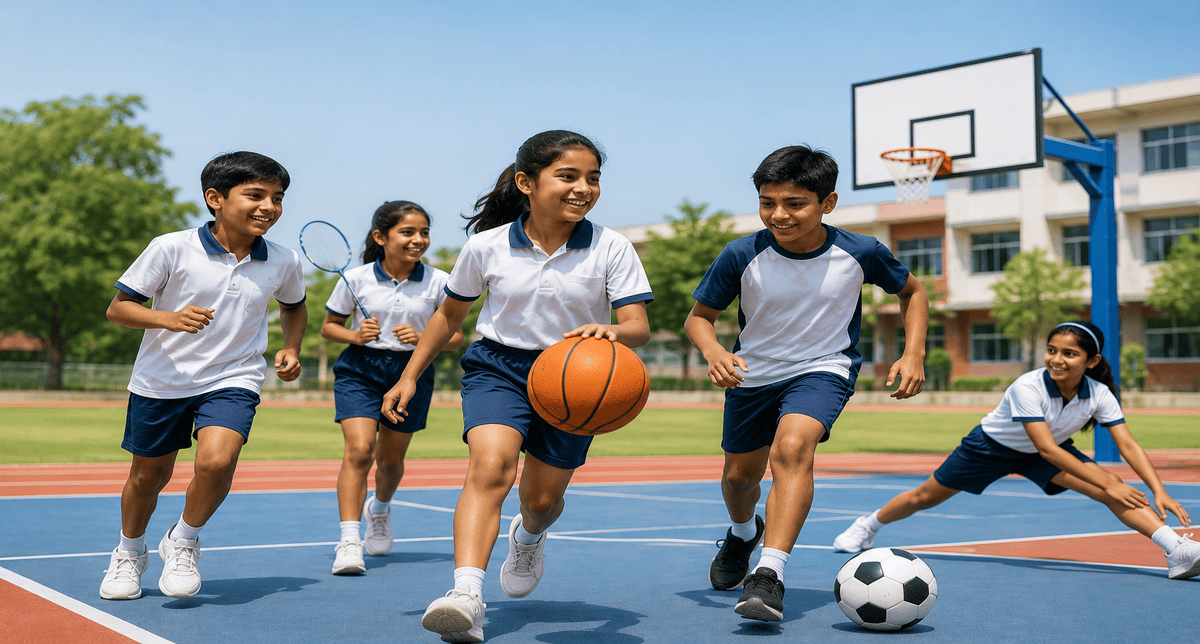
The Importance of Sports and Physical Education in Schools
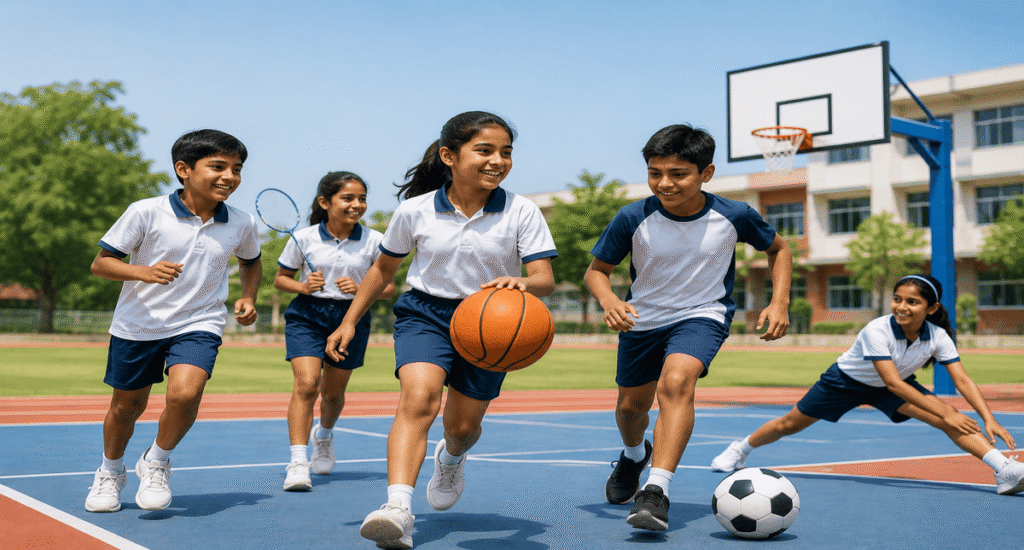
Education is no longer limited to textbooks and examinations. Today’s learning environment focuses on developing students into confident, healthy, and responsible individuals. One of the most important aspects of this approach is physical education in schools, which helps children improve their physical fitness, mental well-being, and social skills. Along with academics, sports create opportunities for students to discover their strengths, learn discipline, and develop lifelong healthy habits.
At Ayana International School, education goes beyond classroom learning. The school believes that sports in education play a significant role in helping students achieve holistic education by encouraging teamwork, leadership, resilience, and confidence. A balanced combination of academics and physical activities prepares students to face future challenges with determination and a positive mindset.
Why Is Physical Education in Schools Important?
Physical education is an essential part of a student’s overall development. It introduces children to regular exercise while teaching them valuable life skills that cannot always be learned inside a classroom.
Students who actively participate in sports often experience better concentration, improved memory, and higher energy levels. Regular physical activity also supports healthy growth and reduces the risk of lifestyle-related health issues.
Some of the major benefits include:
- Better physical fitness and stamina
- Improved mental health and emotional well-being
- Stronger concentration during classroom learning
- Better time management skills
- Increased confidence and self-esteem
- Healthy lifestyle habits from an early age
Physical education also teaches students that success comes through dedication, consistency, and teamwork.
How Do Sports in Education Improve Academic Performance?
Many parents believe that spending more time studying leads to better academic results. However, research consistently shows that students involved in sports often perform equally well or even better in academics. Sports encourage the brain to function more efficiently by improving blood circulation and reducing stress. Students become more attentive during lessons and are better able to solve problems creatively.
Sports also teach students how to:
- Set realistic goals
- Stay focused under pressure
- Handle both success and failure positively
- Develop persistence while facing challenges
These qualities naturally contribute to improved classroom performance.
What Is the Role of Extracurricular Activities in Schools?
While classroom education builds academic knowledge, extracurricular activities in schools provide opportunities for students to develop practical skills and discover their interests. Activities such as sports, music, dance, art, drama, debates, and community service encourage students to become well-rounded individuals.
Some important advantages of extracurricular activities include:
- Improved communication skills
- Better teamwork and collaboration
- Enhanced creativity
- Strong leadership abilities
- Increased confidence in public situations
- Better emotional intelligence
Students who actively participate in extracurricular activities often become more responsible and independent.
How Does Sports Support Holistic Education?
The goal of holistic education is to develop every aspect of a child’s personality instead of focusing only on academic achievements. Sports contribute significantly by strengthening physical health, emotional balance, social interaction, and decision-making abilities.
Holistic education focuses on developing:
- Physical well-being
- Emotional intelligence
- Social responsibility
- Leadership qualities
- Creative thinking
- Problem-solving skills
Sports naturally combine all these qualities through daily practice, competitions, and teamwork. Children learn that effort matters more than immediate success, making them more resilient throughout life.
Why Are Team Sports Important for Students?
Team extracurricular activities offer lessons that extend far beyond the playground. Whether students play football, basketball, cricket, volleyball, or relay races, they learn how to work with others toward a common goal.
Through team sports, students develop:
- Cooperation
- Respect for teammates
- Leadership skills
- Effective communication
- Trust
- Responsibility
These qualities become valuable throughout higher education and future careers. Students also understand that every team member contributes differently, helping them appreciate diversity and collaboration.
Can Sports Improve Mental Health?
Yes. One of the biggest advantages of physical education in schools is its positive impact on mental health. Regular physical activity helps reduce stress and anxiety while improving mood and emotional stability.
Students who participate in sports often experience:
- Reduced stress levels
- Better emotional control
- Higher self-confidence
- Improved focus
- Better sleep quality
- Increased motivation
Physical activity also encourages positive thinking and helps students manage academic pressure more effectively.
What Life Skills Do Students Learn Through Sports?
Sports teach lessons that remain valuable throughout life. Every practice session and competition helps students understand discipline, patience, perseverance, and respect.
Some important life skills developed through sports include:
- Leadership
- Time management
- Goal setting
- Decision-making
- Resilience
- Adaptability
- Discipline
- Accountability
These skills prepare students not only for academic success but also for future careers and personal growth.
How Can Schools Encourage Active Participation in Sports?
Schools play an important role in helping students develop an interest in physical activities. Creating a supportive environment encourages every student, not just talented athletes, to participate confidently.
Schools can promote sports by:
- Providing modern sports facilities
- Organizing inter-school competitions
- Including physical education in the regular timetable
- Offering professional coaching
- Encouraging equal participation for boys and girls
- Recognizing student achievements in sports
When students enjoy sports from an early age, they are more likely to continue leading healthy lifestyles as adults.
Why Should Parents Encourage Sports Along With Academics?
Parents sometimes worry that sports may distract children from studies. However, maintaining a healthy balance between academics and physical activities actually supports better learning. Children who participate in sports generally develop stronger organizational skills and become more disciplined in managing their daily schedules.
Parents can support their children by:
- Encouraging regular outdoor play
- Appreciating effort instead of only victories
- Attending sports events
- Promoting healthy nutrition
- Limiting excessive screen time
This balanced approach contributes significantly to a child’s overall development.
Why Do International Schools Focus on Sports?
An international school aims to prepare students for global opportunities by developing both academic excellence and essential life skills. Sports provide practical experiences that help students become confident, adaptable, and collaborative individuals.
International schools often emphasize:
- Professional sports coaching
- Modern playgrounds
- Fitness programs
- Leadership opportunities
- Team-building activities
- International sporting events
This balanced educational approach helps students grow into confident global citizens.
Building Future Leaders Through Sports
Success in life depends on much more than academic knowledge. Confidence, resilience, teamwork, communication, and leadership are equally important. Sports provide an effective platform for students to develop these qualities naturally. Every game teaches valuable lessons about effort, patience, responsibility, and continuous improvement. These experiences remain with students throughout their educational journey and professional lives. Schools that encourage sports alongside academics create an environment where children feel motivated to explore their full potential.
Conclusion:
The importance of sports extends far beyond physical fitness. Combined with quality physical education in schools, sports contribute to better academic performance, stronger mental health, improved confidence, and lifelong life skills. They help students become disciplined individuals who are ready to face future challenges with determination and resilience.
At Ayana International School, equal importance is given to academics, extracurricular activities, and sports, ensuring students receive a truly holistic education. By creating opportunities for every child to participate, learn, and grow, the school helps nurture confident, healthy, and future-ready learners.
Frequently Asked Questions:
1. Why is physical education important in schools?
Physical education improves students physical fitness, mental well-being, concentration, discipline, and overall personality development while encouraging lifelong healthy habits.
2. How do sports improve academic performance?
Sports improve concentration, memory, time management, and problem-solving skills, helping students perform better in academics.
3. What are extracurricular activities in schools?
Extracurricular activities are learning experiences outside regular classroom lessons, including sports, music, dance, art, debates, clubs, and community service.
4. What is holistic education?
Holistic education focuses on developing students academically, physically, emotionally, socially, and ethically to prepare them for lifelong success.
5. Why should children participate in sports regularly?
Regular sports participation improves fitness, confidence, teamwork, leadership, discipline, emotional well-being, and communication skills.
6. How do international schools promote sports?
International schools provide structured physical education, modern sports facilities, trained coaches, inter-school competitions, and various extracurricular activities to encourage balanced development.